

Implementation of the digital CDE platform for managing real estate in operation

1
Department of Geomechanics, Civil Engineering and Geotechnics, AGH University of Science and Technology in Cracow, Poland
2
Faculty of Civil Engineering and Resource Management, AGH University of Krakow, Poland
These authors had equal contribution to this work
Submission date: 2024-10-08
Acceptance date: 2024-11-12
Publication date: 2026-03-04
Corresponding author
Aleksandra Marta Radziejowska
Department of Geomechanics, Civil Engineering and Geotechnics, AGH University of Science and Technology in Cracow, Av. Mickiewicza, 30-059, Cracow, Poland
Department of Geomechanics, Civil Engineering and Geotechnics, AGH University of Science and Technology in Cracow, Av. Mickiewicza, 30-059, Cracow, Poland
Archives of Civil Engineering 2026;72(1):597-615
KEYWORDS
BIM (Building Information Modeling)CDE (Common Data Environment)digital platformdigital twinmanagementoperation phase
TOPICS
ABSTRACT
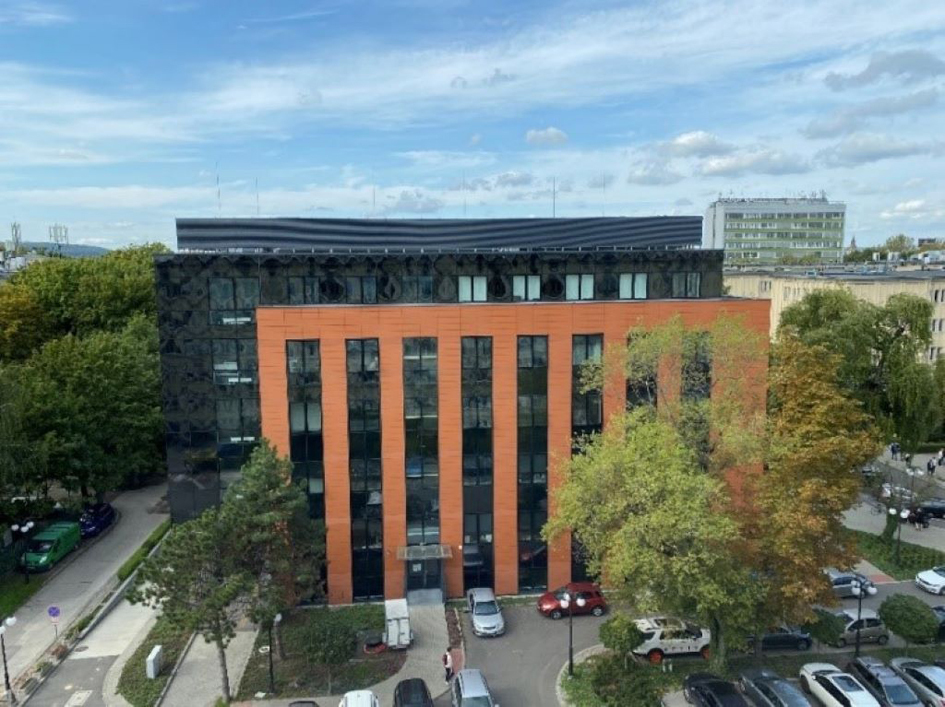
In civil engineering, information systems are increasingly being utilized, particularly Building Information Modeling (BIM) technology. BIM is currently most prominently used in the design and construction phases, with less intensity observed in the implementation of solutions in later phases of operation and/or demolition. However, these issues mainly concern recently constructed objects, for which a digital twin was created at the design stage, greatly facilitating the decision-making process for managers to implement such solutions. In this article, the authors focus on presenting an example of using the Common Data Environment (CDE) platform for managing an existing building, for which 3D documentation was not created in earlier stages of the lifecycle. For analysis and as an attempt to implement the use of BIM technology, building D-2 located on the AGH campus was selected. Virtual documentation in the form of a "digital twin" was prepared for the selected object. The traditional and currently practiced property management plan was analyzed. Firstly, a plan for repetitive tasks was presented, including required building inspections and cyclical work performed. Subsequently, a process of action in case of a selected failure was developed. The traditional management plan was compared with the one prepared using the digital platform. The advantages and disadvantages of each solution were identified, and the validity of introducing process improvement for building administration using the selected tool was verified.
Share
RELATED ARTICLE
| eISSN: | 2300-3103 |
| ISSN: | 1230-2945 |

We process personal data collected when visiting the website. The function of obtaining information about users and their behavior is carried out by voluntarily entered information in forms and saving cookies in end devices. Data, including cookies, are used to provide services, improve the user experience and to analyze the traffic in accordance with the Privacy policy. Data are also collected and processed by Google Analytics tool (more).
You can change cookies settings in your browser. Restricted use of cookies in the browser configuration may affect some functionalities of the website.
You can change cookies settings in your browser. Restricted use of cookies in the browser configuration may affect some functionalities of the website.