


Comparative influence of active mineral admixtures on the strength properties of fiber-reinforced
reactive powder concrete
1
Department of Building Elements, Technology and Materials Science, National University of Water and Environmental Engineering, Ukraine
2
Department of Civil Engineering, Ariel University, Israel
Submission date: 2024-10-27
Final revision date: 2025-01-27
Acceptance date: 2025-02-11
Publication date: 2026-06-14
Archives of Civil Engineering 2026;72(2):377-391
KEYWORDS
TOPICS
ABSTRACT
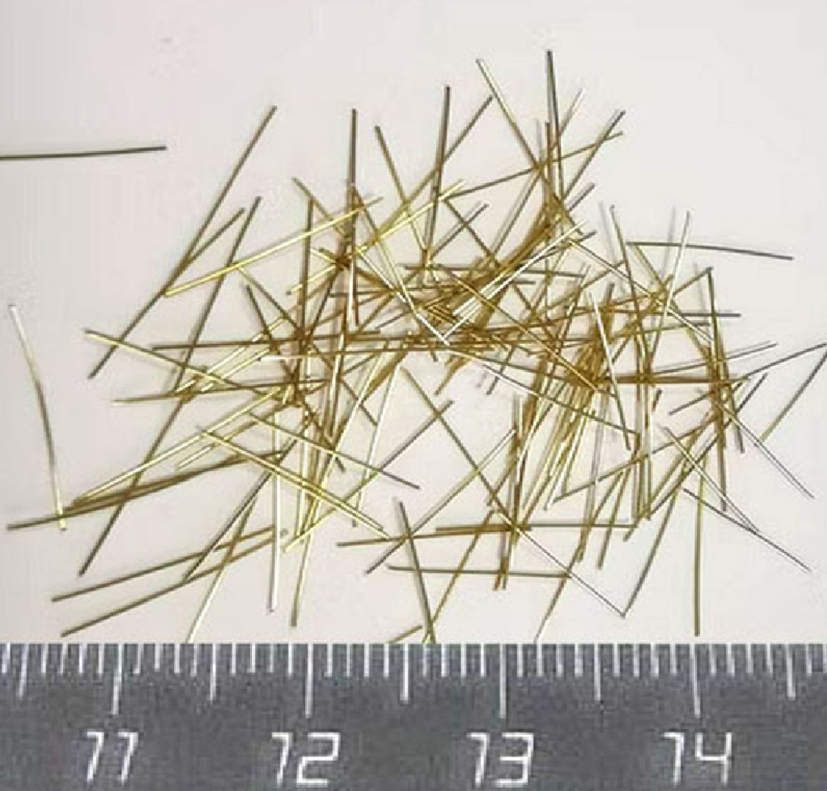
The use of active mineral admixtures in concrete and reinforced concrete technology is one of the most important ways to save resources. Silica fume is one of this type's most popular and effective admixtures. However, the use of silica fume is not always economically reasonable due to its high cost. The paper presents the results of comparative studies on the effect of various active mineral admixtures on the properties of reactive powder concrete (RPC) and fiber-reinforced powder concrete (FRPC). Five different admixtures were investigated: ground quartz sand, blast furnace slag, fly ash, metakaolin and silica fume. The highest strength values were achieved for RPC and FRPC containing microsilica and fly ash together with metakaolin. The RPC compositions containing fly ash and metakaolin achieved at 28 days an average compressive strength of approximately 125 MPa and a flexural strength of over 16 MPa. This is only an average of 10-20% less compared to concrete containing silica fume, however the cost of silica fume is about 2-3 times higher compared to fly ash and metakaolin. Thus, it becomes possible to replace high-cost silica fume with the proposed composite mineral admixture consisting of fly ash and metakaolin. Adding steel microfibers to the tested RPC compositions can increase compressive strength by 10-20%, depending on the composition. With a steel fiber consumption of 240 kg/m3, the flexural strength increases by 1.5 to 2.3 times, reaching 35 MPa.
| eISSN: | 2300-3103 |
| ISSN: | 1230-2945 |

We process personal data collected when visiting the website. The function of obtaining information about users and their behavior is carried out by voluntarily entered information in forms and saving cookies in end devices. Data, including cookies, are used to provide services, improve the user experience and to analyze the traffic in accordance with the Privacy policy. Data are also collected and processed by Google Analytics tool (more).
You can change cookies settings in your browser. Restricted use of cookies in the browser configuration may affect some functionalities of the website.
You can change cookies settings in your browser. Restricted use of cookies in the browser configuration may affect some functionalities of the website.