


Application of SWOT analysis in construction waste management - usefulness of the 5S and VSM methods
1
Faculty of Civil Engineering, Czestochowa University of Technology, Poland
These authors had equal contribution to this work
Submission date: 2024-09-24
Acceptance date: 2024-11-05
Publication date: 2026-03-04
Corresponding author
Archives of Civil Engineering 2026;72(1):515-533
KEYWORDS
TOPICS
ABSTRACT
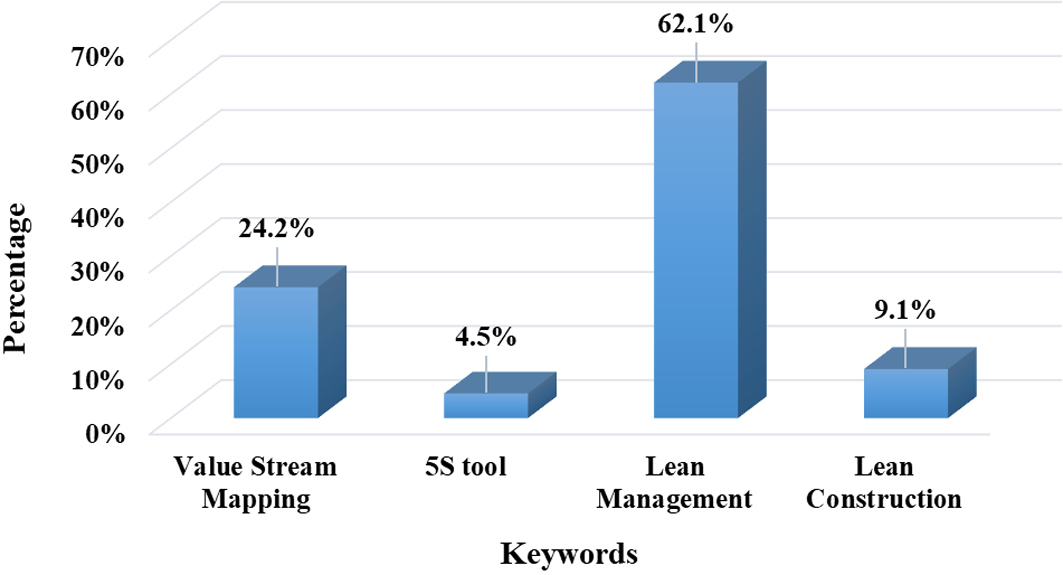
Recently, more and more attention has been paid to the management and organization of work and production in enterprises of various industries. Great emphasis is placed on reducing the waste of raw materials, improving productivity, and minimizing the huge amounts of waste generated, which is part of the concept of sustainable development. Every year, the construction sector produces 30% of global waste, which poses a big challenge in terms of recycling and disposal, especially in countries that do not have sufficient financial resources and technological capabilities. Implementing appropriate lean methods into the construction sector is therefore an opportunity to eliminate existing problems. This study presents a literature review, which is the basis for identifying two most frequently used lean management tools that can help reduce the amount of waste generated. The aim of the article was to assess the possibility of their application in the construction sector using SWOT analysis. Based on the research conducted, it was shown that in order to obtain the greatest benefits from the use of 5S and VSM methods, the most beneficial strategy to adopt in a construction company will be an aggressive strategy (maxi-maxi). A significant barrier to the implementation of these tools is the lack of appropriate knowledge resources and technological limitations, especially in small and medium-sized enterprises. Moreover, it was shown that over the years 2013-2024, the number of publications and interest in lean in construction systematically increased, which confirms the usefulness of these methods for the construction sector.
| eISSN: | 2300-3103 |
| ISSN: | 1230-2945 |

We process personal data collected when visiting the website. The function of obtaining information about users and their behavior is carried out by voluntarily entered information in forms and saving cookies in end devices. Data, including cookies, are used to provide services, improve the user experience and to analyze the traffic in accordance with the Privacy policy. Data are also collected and processed by Google Analytics tool (more).
You can change cookies settings in your browser. Restricted use of cookies in the browser configuration may affect some functionalities of the website.
You can change cookies settings in your browser. Restricted use of cookies in the browser configuration may affect some functionalities of the website.