


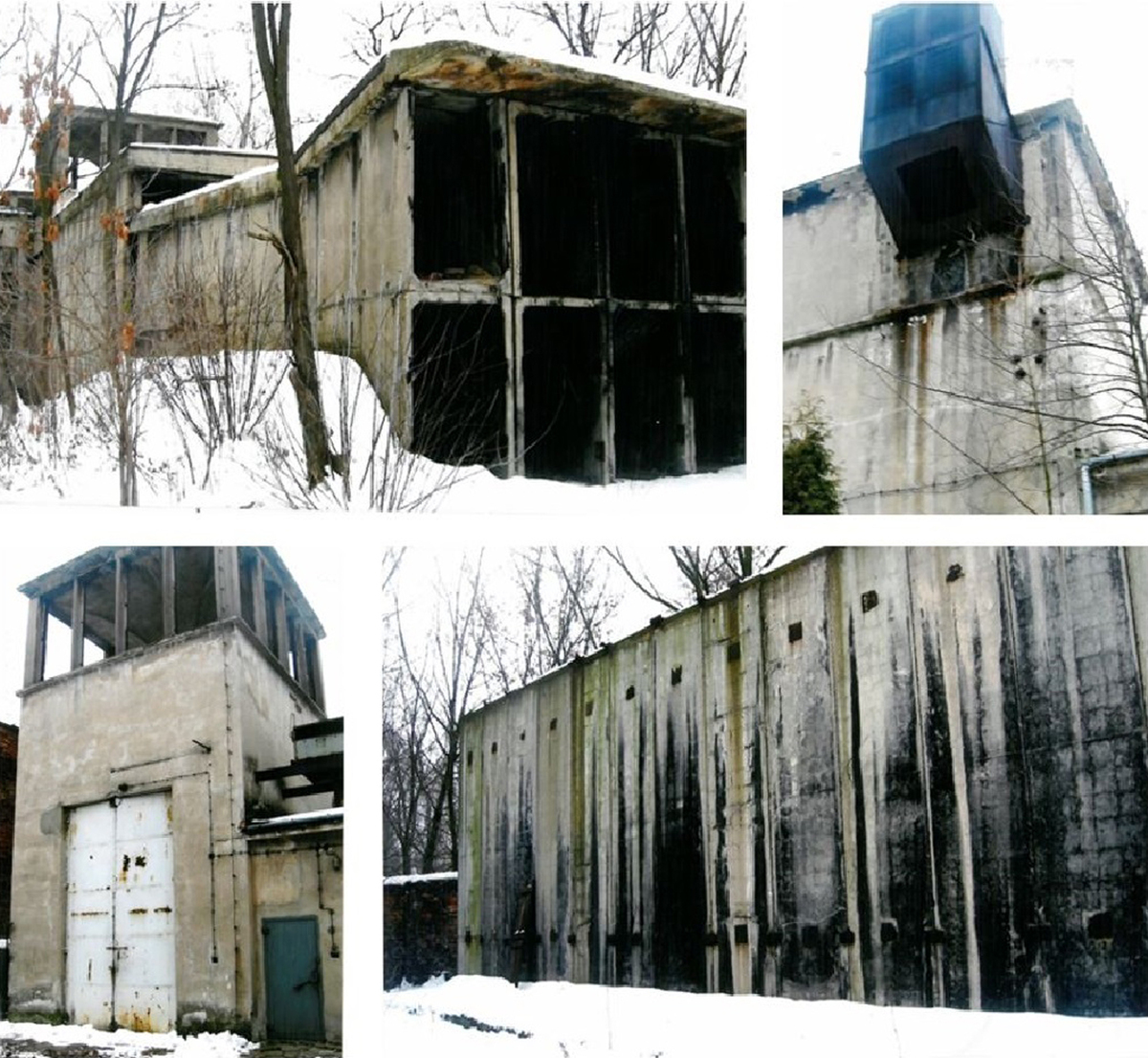
Evolution of innovative strategies in the revitalization of post-industrial sites: A case study of the Military Aviation Plant (WZL-4)
1
Faculty of Civil Engineering, Warsaw University of Technology, Poland
2
SEJ-609 “AMIKO” Research Group, University of Granada, Spain
These authors had equal contribution to this work
Submission date: 2025-06-18
Final revision date: 2025-08-14
Acceptance date: 2025-09-09
Publication date: 2026-09-25
Corresponding author
Archives of Civil Engineering 2026;72(3):169-184
KEYWORDS
project managementcircular economydemolition innovationmaterial recoverypublicprivatepartnershipurban revitalization
TOPICS
ABSTRACT
This article explores the transformation of demolition and revitalization practices over the past two decades, using the 2008 redevelopment of the Military Aviation Plant No. 4 (WZL-4) in Warsaw, Poland, as a pivotal case study. At the time, the project stood out for its forward-thinking approaches to stakeholder governance, waste management, and infrastructural integration, setting benchmarks for post-industrial redevelopment in Central Europe. This paper analyzes the WZL-4 revitalization in the context of its era—highlighting practices that were considered innovative at the time and remain relevant today—while contrasting them with contemporary strategies employed up to 2025. Drawing upon a comparative methodology and current scientific literature, the study identifies trends, innovations, and persistent challenges in the field of demolition and brownfield regeneration. It highlights key technological, procedural, and managerial advancements including BIM-based project coordination, risk-informed planning, smart monitoring, and circular economy integration. The paper contributes a dual-perspective evaluation: both retrospective and forward-looking, offering insight into how best practices have evolved and providing a roadmap for future sustainable urban redevelopment projects grounded in systemic innovation.
Share
RELATED ARTICLE
| eISSN: | 2300-3103 |
| ISSN: | 1230-2945 |

We process personal data collected when visiting the website. The function of obtaining information about users and their behavior is carried out by voluntarily entered information in forms and saving cookies in end devices. Data, including cookies, are used to provide services, improve the user experience and to analyze the traffic in accordance with the Privacy policy. Data are also collected and processed by Google Analytics tool (more).
You can change cookies settings in your browser. Restricted use of cookies in the browser configuration may affect some functionalities of the website.
You can change cookies settings in your browser. Restricted use of cookies in the browser configuration may affect some functionalities of the website.